Elektronik/Digital
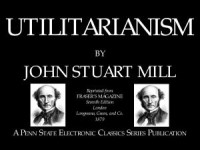
Utilitarianism (Reprinted from Fraser’s Magazine Seventh Edition, 1879)
This work discusses the ethical theory of utilitarianism developed by John Stuart Mill as the basis for determining right and wrong in human actions. Mill asserted that the primary principle of morality is the greatest happiness principle, which states that an action is right if it produces the greatest happiness for the greatest number of people, and wrong if it causes suffering. Happiness is defined as pleasure and the absence of pain. Mill also developed the concept of the quality of pleasure, distinguishing between higher order pleasures (intellectual, moral) and lower order pleasures (physical). He argued that intellectual pleasure is more valuable than physical pleasure. He also addressed various criticisms of utilitarianism, such as the assumption that the theory is selfish or demeans human dignity. Furthermore, Mill explained that morality is oriented not only toward individual happiness but also toward collective happiness. He also linked utilitarianism to justice, moral obligation, and the role of education and society in shaping human character capable of achieving shared happiness.
Ketersediaan
| No | Register | No. Panggil | Edisi | Lokasi | Status | Detail |
|---|---|---|---|---|---|---|
| 1 | EB0005941 | 171.5 Joh u | - | ELIB | Tersedia - Baik | Detail |
Informasi Detail
| Pernyataan Tanggungjawab | - |
|---|---|
| Pengarang |
John Stuart Mill - Nama Orang |
| Edisi | - |
| No. Panggil | 171.5 Joh u |
| ISBN/ISSN | NONE |
| Subjek |
Utilitarianism |
| Klasifikasi | 171.5 |
| GMD | Elektronik/Digital |
| Bahasa | Inggris |
| Penerbit | The Pennsylvania State University |
| Tahun Terbit | 2004 |
| Tempat Terbit | Pennsylvania |
| Deskripsi Fisik | 69 halaman |
| Tipe Isi | text |
| Tipe Media | computer |
| Tipe Pembawa | online resource |
| Judul Seri | - |
| Info Detail Spesifik | - |
Versi lain/terkait
Tidak tersedia versi lain
Lampiran Berkas
Komentar
Anda harus masuk sebelum memberikan komentar
 Karya Umum
  Filsafat
  Agama
Agama  Ilmu-ilmu Sosial
  Bahasa
  Ilmu-ilmu Murni
  Ilmu-ilmu Terapan
  Kesenian, Hiburan, dan Olahraga
  Kesusastraan
  Geografi dan Sejarah